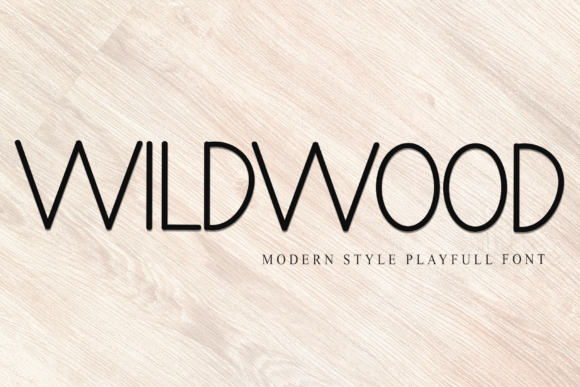
Wildwood Font: A Timeless Typeface for Handmade Creations
There’s something magical about the right font. It transforms a simple design into a story, a label into an invitation, and a handmade product into a cherished keepsake. I recently discovered Wildwood, a stunning handwritten serif font that has quickly become a favorite in my creative toolkit. Whether you're crafting candles, designing greeting cards, or preparing wedding invitations, Wildwood adds a warm, organic charm that feels both classic and contemporary.
Bringing Candle Labels to Life with Wildwood
One morning, while setting up a new batch of soy candles for my shop, I found myself stuck on the labels. The minimalist jars were elegant, but the text just wasn’t doing them justice. I needed something that felt natural yet refined — a font that spoke softly but clearly. That’s when I opened up Wildwood.
The first thing that caught my eye was how each letter flows like brush strokes across parchment. It's not just a font; it's a typeface with soul. I used it to print the candle names — “Evening Mist,” “Morning Bloom” — and suddenly, the whole collection had a cohesive, artisanal feel. The serifs gave a subtle sophistication, while the handwritten style added a personal touch. My customers now comment on how the labels make the candles feel like a gift from a dear friend.
A Warm Welcome in Every Letter
Another project where Wildwood shone was a set of farmhouse-style welcome boards for a boutique client. They wanted something inviting and rustic, but also polished enough to match their brand identity. I paired Wildwood with a clean sans serif for the secondary text, which allowed the main message to stand out beautifully. The result? A display that felt both cozy and professional, perfectly capturing the essence of their store.
Fonts like Wildwood are especially useful for signage because they carry emotional weight. When your audience sees a name or phrase rendered in a thoughtful, handwritten serif, it builds trust and connection. It tells them this is a place made with care — and that’s exactly what your handmade products deserve to represent.
Crafting Greeting Cards and Invitations with Heart
Greeting card designs often rely on typography as much as imagery. For my seasonal cards, I use Wildwood to write the salutations and titles. Its gentle curves and expressive characters give every card a sense of warmth and sincerity. During the holidays, I created a line of thank-you cards using Wildwood in gold foil, and the reaction was overwhelmingly positive. The font didn't just look good — it felt good.
Wedding invitations are another area where Wildwood shines. I’ve used it for everything from the couple’s names to the event details and even the RSVP cards. The handwritten quality gives it a personal, intimate vibe, while the structured serifs add a touch of elegance. It's the perfect balance between casual and classy — something many couples are looking for these days.
Why Wildwood Works for Printables and Digital Designs
If you create digital printables — like wall art, planner pages, or social media templates — Wildwood can elevate your work instantly. I’ve designed several printable calendars using it for headers and decorative accents. The font remains clear at various sizes, making it great for preview images and listing thumbnails on Etsy or other platforms.
- Wall Art: Use Wildwood for inspirational quotes or seasonal greetings. Its personality makes it ideal for display purposes.
- Planner Pages: Add a title or section heading in Wildwood to bring life and creativity to your layouts.
- Social Media Graphics: Pair it with a bold sans serif for contrast, creating a dynamic visual hierarchy that draws attention.
Designing Stickers and Product Tags with Care
I love working with Cricut and Silhouette for sticker sheets, especially for holiday tags and product packaging. Wildwood handles small-scale printing exceptionally well, though I always recommend testing it on paper first. I've noticed that when using thinner weights for tiny stickers, the serifs can sometimes get lost. But by adjusting the size slightly and ensuring proper spacing, it reads beautifully.
For product tags, I choose the more stylized alternates in Wildwood to highlight key phrases or product names. These little touches help differentiate items in a crowded market and make each tag feel like part of a curated collection. The multilingual support in Wildwood is also a bonus if you’re targeting a diverse audience or selling abroad.
Readability Tips for Physical Merchandise
While Wildwood is a premium font with incredible character, it’s important to consider its use in different contexts. Here are a few tips I’ve learned from experience:
- Use for short phrases: Names, titles, and taglines are where Wildwood truly shines. Long paragraphs might be less readable due to its ornate nature.
- Test on physical materials: Before bulk printing, test Wildwood on different surfaces like matte paper, glossy stock, fabric, or wood signs to ensure clarity and vibrancy.
- Adjust spacing for cutting machines: Some letters have intricate details that may require extra space when using SVG files for die-cutting or engraving.
- Consider lighting and background: When printed on dark or textured surfaces, Wildwood benefits from a soft drop shadow or subtle outline to maintain legibility.
Building Brand Consistency with Typography
Brand identity is more than just colors and logos — it’s about the language you use visually. As someone who sells multiple lines of products, maintaining a consistent look across all items is crucial. Wildwood helps me achieve that by acting as a unifying element in everything from packaging to digital downloads.
I use it in my product mockups for mugs, tote bags, and shirts. The handwritten serif gives these items a custom, bespoke feel without needing complex graphics. And when combined with a minimalist layout, it becomes the focal point that captures attention and invites interaction.
When choosing fonts for branding, I always check if they include alternate characters, ligatures, and swashes. Wildwood does, which allows me to tweak the design slightly for variety without losing the core aesthetic. This flexibility is essential for keeping things fresh while staying true to a recognizable brand voice.
Font Pairing Suggestions
Typography is all about contrast and harmony. Here are a few ways I pair Wildwood with other fonts to enhance design appeal:
- With a clean sans serif: Great for readability in body text or pricing sections. Think Montserrat or Lato for a modern twist.
- With a bold display font: Adds drama and complements Wildwood’s softer edge. Something like Bebas Neue or Playfair Display works well.
- With a script font: If you want to layer styles, pair Wildwood with a delicate script for additional flair and movement.
- As a standalone typeface: Sometimes, Wildwood alone is enough. Its structure and rhythm can handle entire compositions gracefully.
From Mockup to Market
Recently, I designed a set of autumn-themed printable tea towels. The mockups started with simple watercolor leaves and a muted palette. Then came Wildwood. I chose the bolder weights for the headings and played with alternates to keep things visually interesting. The final mockups looked so inviting that I almost forgot to price them!
It’s moments like these where I realize how powerful the right font can be. Wildwood doesn’t just sit on the page — it breathes life into it. It makes your words feel intentional, your designs feel authentic, and your brand feel alive.
Whether you're printing a single label for a jar of homemade jam or designing a full suite of wedding stationery, Wildwood brings a timeless elegance to any project. It’s the kind of font that feels like home — familiar, comforting, and beautifully crafted.
Practical Notes for Sellers and Makers
Before using Wildwood for commercial projects, I always review the included file formats (like TTF, OTF, and WOFF) to ensure compatibility with my tools and platforms. Checking the licensing agreement is also a must, especially if you plan to sell physical merchandise, digital templates, or SVG-based designs. Many font sellers offer commercial licenses specifically for creators who sell their work — and Wildwood is no exception.
I also pay attention to how the font behaves in different languages. If you're creating global products or serving an international audience, Wildwood’s multilingual support ensures your designs remain professional and inclusive.
Finally, I always test the font in real-world conditions. Will it hold up on fabric? Does it look good when heat-pressed onto a mug? How does it scale down for a small sticker? Taking the time to experiment with Wildwood before going to print helps avoid costly mistakes and ensures your designs look their best everywhere they go.
Let Your Words Shine
In the world of handmade and craft businesses, presentation matters. A well-chosen font can turn a basic idea into a memorable product. With Wildwood, I’ve seen how a single typeface can bring consistency, charm, and character to a wide range of creations — from packaging to web design, from stickers to seasonal cards.
So next time you’re working on a design that needs a little soul, think of Wildwood. Let its graceful handwriting and timeless serif shape guide your next project. You’ll find, as I did, that the right font doesn’t just look good — it feels like home.